
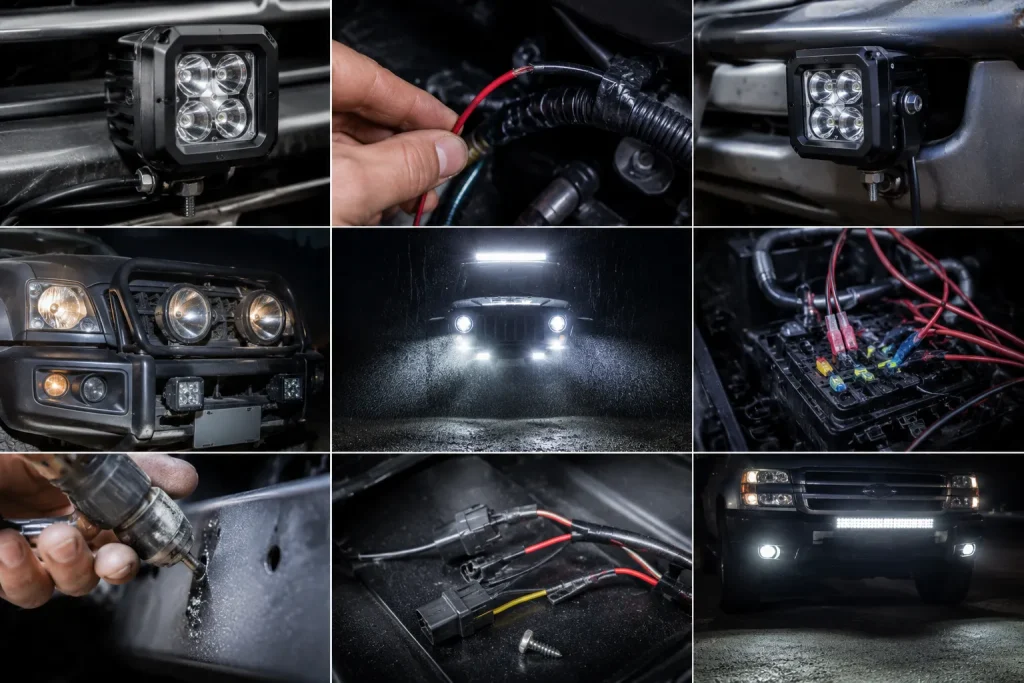
Auxiliary Lights improve visibility and increase safety during night driving. Drivers often add them to trucks, SUVs, off-road vehicles, and commercial fleets. According to the National Highway Traffic Safety Administration, almost 50% of fatal crashes occur at night, despite lower traffic volumes. Better lighting helps drivers detect hazards sooner and react faster.
Many vehicle owners invest between $120 and $900 on additional lighting systems. However, incorrect installation can reduce performance and create safety issues. Poor wiring, wrong beam patterns, and improper placement often cause problems. In some states, non-compliant lighting can also result in fines.
We have worked with vehicle lighting systems for years and have seen common errors repeatedly. Experienced technicians agree that planning and proper installation matter more than buying the most expensive products. Understanding these mistakes helps drivers get the best performance from their Auxiliary Lights while maintaining road safety.
Why Proper Auxiliary Lights Installation Matters
Proper installation determines how effectively Auxiliary Lights perform. A high-quality LED light bar can produce more than 20,000 lumens. However, poor positioning can waste much of that output. Light that reflects from the hood or shines too high reduces visibility and creates glare.
Certified automotive lighting specialists recommend following SAE and local regulations. In the United States, several states limit beam height and brightness levels. Proper alignment also protects other drivers from excessive glare.
Safety Benefits of Correct Installation
Correct installation provides several advantages:
- Improves visibility during heavy rain and fog.
- Reduces driver fatigue on long trips.
- Prevents glare for approaching traffic.
- Extends lighting system lifespan.
- Protects vehicle electrical components.
- Helps meet local road regulations.
Drivers who install Auxiliary Lights correctly often experience improved confidence during nighttime driving. Better illumination also helps identify animals, road debris, and unexpected hazards earlier.
Choosing the Wrong Type of Auxiliary Lights
Selecting the wrong lighting system remains one of the biggest mistakes. Different lighting patterns serve different purposes. Flood beams spread light widely, while spot beams project farther distances. Combo beams combine both patterns.
According to lighting manufacturers, LED technology now delivers efficiency levels above 130 lumens per watt. Halogen systems typically deliver much lower output and consume more energy.
Matching Light Types to Driving Conditions
Different environments require different setups.
| Driving Condition | Recommended Beam Type | Typical Range |
|---|---|---|
| Highway Driving | Spot Beam | 800 feet |
| Off-Road Trails | Flood Beam | 300 feet |
| Rural Roads | Combo Beam | 600 feet |
| Snow Conditions | Amber Lights | 400 feet |
| Foggy Weather | Wide Beam | 250 feet |
Automotive engineers recommend evaluating driving habits before purchasing Auxiliary Lights. Drivers who mostly travel on highways benefit from long-range spot beams. Off-road enthusiasts often prefer wider illumination patterns.
Incorrect Wiring and Electrical Connections
Electrical issues account for many lighting failures. Poor connections create resistance and excessive heat. Corrosion and loose terminals can lead to flickering lights or complete failure.
Professional installers recommend using relay wiring harnesses with waterproof connectors. Most LED Auxiliary Lights operate between 12 and 24 volts. Heavy-duty systems often require 14-gauge or thicker wiring.
Common Wiring Errors
Experienced technicians frequently encounter these mistakes:
- Skipping fuse protection.
- Using undersized wires.
- Ignoring relay installation.
- Leaving connectors exposed to moisture.
- Connecting directly to overloaded circuits.
Automotive service centers report that water intrusion causes nearly 30% of lighting failures. Proper sealing and quality connectors help avoid these issues. Spending an additional $25 to $50 on premium wiring components often prevents costly repairs later. Start your journey with our guide on how to choose the Right Car Headlights for Your Vehicle.
Poor Mounting Position and Beam Alignment
Mounting location affects performance more than many drivers realize. Lights installed too high can create dangerous glare. Units mounted too low may lose effectiveness in uneven terrain.
Lighting experts recommend placing Auxiliary Lights where airflow and visibility remain unobstructed. Roof-mounted bars work well off-road but may produce windshield reflection. Bumper-mounted systems often provide better road-focused illumination.
Proper Alignment Makes a Difference
Industry guidelines suggest aiming beams slightly downward. This approach maximizes visibility without blinding oncoming drivers. Most professionals recommend checking alignment from 25 feet away.
Important positioning factors include:
- Height above ground.
- Vehicle width.
- Beam overlap.
- Hood reflection.
- Vibration resistance.
Secure mounting brackets also prevent movement during rough driving. Stainless steel hardware provides excellent durability and corrosion resistance.
Ignoring Local Regulations and Legal Requirements
Many drivers overlook legal requirements when installing Auxiliary Lights. Regulations vary by state and region. Some jurisdictions restrict the number of illuminated lights during public road use.
The Federal Motor Vehicle Safety Standards provide guidelines for automotive lighting. Several states require auxiliary lights to be covered when not in use. Others regulate brightness levels and mounting height.
Staying Compliant
Before installation, drivers should verify:
- Maximum number of lights allowed.
- Beam color restrictions.
- Height limitations.
- Switching requirements.
- Cover requirements.
Compliance prevents unnecessary penalties and improves safety. Professional installers recommend reviewing state regulations before purchasing equipment.
Conclusion
Auxiliary Lights can significantly improve nighttime visibility when installed correctly. Common mistakes include selecting the wrong beam pattern, poor wiring, incorrect mounting, and ignoring legal requirements. These errors often reduce performance and increase safety risks.
Experienced automotive lighting professionals emphasize planning before installation. Investing in quality components and following proper alignment techniques delivers better results. Drivers who install Auxiliary Lights correctly benefit from improved visibility, longer equipment life, and safer driving conditions. A carefully designed lighting setup provides reliable performance in every season and on every road.