
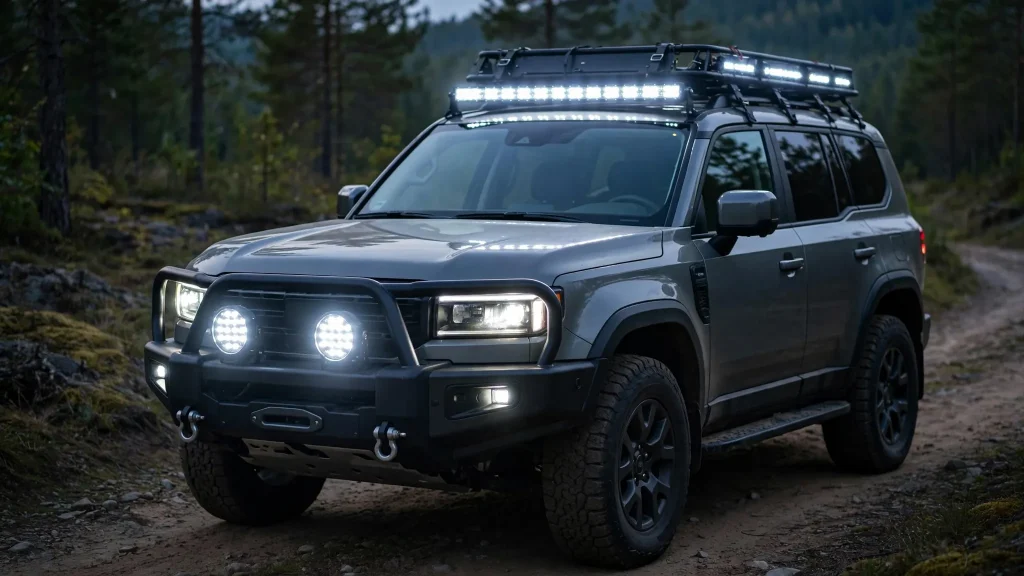
LED Auxiliary Lights have become one of the most effective upgrades for drivers who need better visibility in challenging conditions. Whether we drive on dark highways, rural roads, construction sites, or mountain trails, the right lighting improves safety and reduces eye strain. Modern LED technology offers higher brightness, lower power consumption, and a longer service life than traditional halogen lighting.
Choosing the correct light is not only about maximum brightness. Beam pattern, mounting location, weather resistance, legal regulations, and vehicle compatibility all influence real-world performance. A poorly selected light can create glare, waste energy, or fail to illuminate the areas that matter most.
Professional installers often recommend evaluating driving conditions before purchasing any lighting system. Drivers who frequently travel on highways have different needs from off-road enthusiasts or commercial vehicle operators. Understanding these differences helps us invest in lighting that delivers reliable performance every time we drive.
Why LED Auxiliary Lights Improve Driving Safety
Better Visibility in Challenging Conditions
LED Auxiliary Lights provide additional illumination beyond the factory-installed headlights. They help reveal road signs, wildlife, obstacles, and sharp turns much earlier.
Higher-quality LED units also produce a consistent white light, typically between 5,000K and 6,500K, which closely resembles daylight. This color temperature improves contrast without creating excessive glare.
The main benefits include:
- Longer viewing distance.
- Better peripheral visibility.
- Lower energy consumption.
- Faster illumination than traditional bulbs.
- Longer operational lifespan.
Modern LEDs commonly deliver 30,000 to 50,000 operating hours, reducing replacement frequency and maintenance costs.
Understanding Beam Patterns Before Buying
Spot, Flood, and Combo Beams
Selecting the correct beam pattern is one of the most important decisions when purchasing LED Auxiliary Lights.
| Beam Pattern | Best Use | Main Advantage |
|---|---|---|
| Spot Beam | Highways, rural roads | Maximum long-distance visibility |
| Flood Beam | Off-road driving, work vehicles | Wide-area illumination |
| Combo Beam | Mixed driving conditions | Balance of distance and width |
Spot beams concentrate light into a narrow pattern that reaches farther ahead. They are ideal for higher-speed driving where reaction time matters.
Flood beams spread light across a much wider area. They improve side visibility around trails, campsites, farms, and construction zones.
Combo beams combine both characteristics, making them popular among drivers who regularly encounter different environments.
Choosing the Right Size and Mounting Position
Match the Lights to Your Vehicle
The best LED Auxiliary Lights complement both the vehicle’s design and its intended purpose.
Popular mounting locations include:
- Front bumper.
- Grille.
- Roof rack.
- Bull bar.
- Rear work area.
Bumper-mounted lights reduce wind resistance while providing excellent forward visibility.
Roof-mounted lights offer broader coverage but may create additional wind noise and reflections from the hood during poor weather.
Professional installers also recommend checking local road regulations before installing roof-mounted lighting for public road use.
Always verify available mounting space, wiring access, and electrical capacity before purchasing any lighting system.
Key Features That Matter Most
Focus on Performance Instead of Marketing Claims
Many buyers compare only brightness figures, but several technical specifications determine actual performance.
Look for these important features:
- IP67 or IP68 waterproof rating.
- Aluminum housing for heat management.
- Polycarbonate impact-resistant lens.
- Efficient heat sink design.
- Voltage compatibility with 12V or 24V electrical systems.
- Quality mounting brackets.
- Manufacturer’s warranty.
Efficient cooling is especially important because excessive heat reduces LED lifespan and brightness over time.
A well-designed housing keeps temperatures stable during extended operation, even in demanding environments.
Expert testing consistently shows that durable construction often provides greater long-term value than extremely high lumen ratings alone.
Installation and Maintenance Best Practices
Get the Maximum Performance
Proper installation ensures LED Auxiliary Lights perform safely and efficiently throughout their service life.
Aim the lights carefully to illuminate the road without blinding oncoming drivers. Secure all mounting hardware according to manufacturer specifications.
Protect electrical connections using waterproof connectors and properly sized wiring harnesses.
Routine maintenance is simple but important:
- Clean lenses regularly.
- Inspect mounting bolts.
- Check wiring for damage.
- Remove mud, snow, and road salt.
- Test operation before long trips.
Regular inspections help maintain maximum light output while extending the lifespan of the complete lighting system.
Expert Tips for Selecting LED Auxiliary Lights
Industry professionals recommend following a practical buying process:
- Define your primary driving environment.
- Choose the appropriate beam pattern.
- Verify waterproof and dustproof ratings.
- Confirm voltage compatibility.
- Select trusted manufacturers with proven warranties.
- Install lights according to local regulations.
Buying based on real driving needs usually delivers better results than simply choosing the highest advertised brightness. Explore our latest insights in Common Mistakes to Avoid When Installing Auxiliary Lights.
Conclusion
Choosing the right LED Auxiliary Lights requires more than comparing lumen numbers. Beam pattern, mounting position, durability, cooling performance, and installation quality all contribute to safer driving and improved visibility. We achieve the best results when we match lighting to the environments we drive in most often.
Quality components, proper installation, and regular maintenance ensure dependable performance for years. By focusing on practical features instead of marketing claims, we can confidently select LED auxiliary lighting that improves road safety, enhances driving comfort, and performs reliably in demanding weather and terrain conditions.